Choosing the right approach
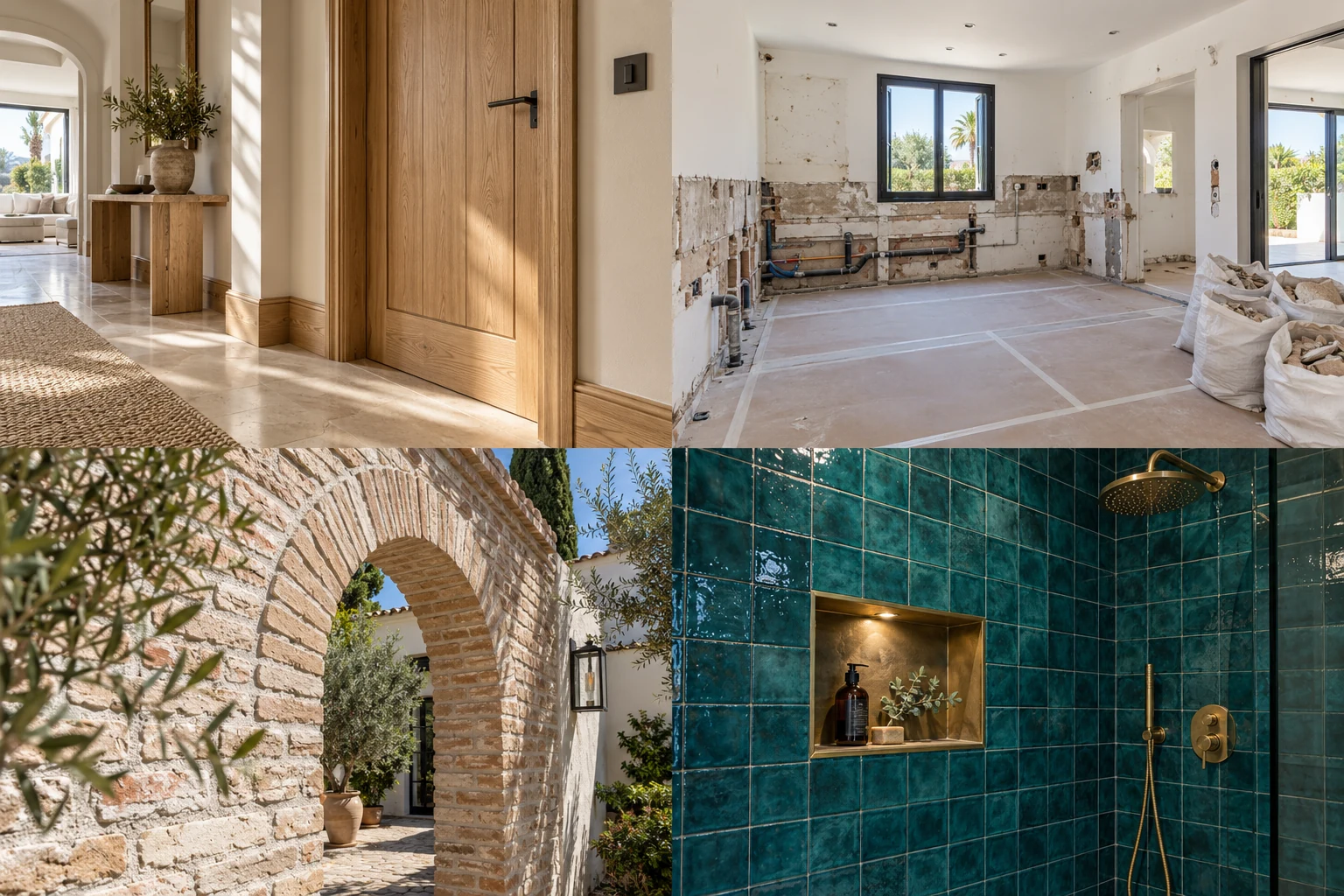
Masonry work may include new non-loadbearing walls, local repairs, garden walls and renewed pointing. Establish the purpose and condition of the wall before choosing units and mortar. Matching an existing surface means studying dimensions, texture, colour and the shape of the joints together. Structural walls, retaining walls and new openings need the appropriate design and assessment; decorative appearance alone does not define their construction.
What the specification should cover
- Wall function and existing condition
- Brick or block selection
- Mortar and joint profile
- Connections, coping and exposed edges
- Sample area for repair matching
Small samples reveal large differences
View a trial patch once the mortar has dried, in the same light as the existing wall. Fresh wet joints can give a misleading impression of colour. Agree the extent of joint removal and edge protection before repointing, and resolve the cause of damaged or moving masonry before improving its surface.
Questions about brickwork, masonry & repointing
Can cracks simply be covered with new pointing?
First establish why the crack exists and whether it is still changing. Repointing improves joints but does not by itself resolve movement or a structural problem. The repair approach should follow the assessment of the actual wall.